

If you manage a commercial property in London, Ontario, you already know how much stress trees can cause. One storm, one falling limb, or one cracked sidewalk can quickly turn into complaints, insurance questions, or even legal issues.
That is why more property managers and business owners are turning to certified arborist-led tree care instead of taking chances with whoever has a chainsaw and a truck.
This guide explains five proven benefits of working with a certified arborist for your commercial sites, so you can reduce risk, protect your investment, and feel confident about the trees on your property.
Why Commercial Properties Rely on Certified Arborists
A certified arborist is a tree care professional who has passed a formal exam, follows a code of ethics, and keeps their knowledge up to date through continuing education. The International Society of Arboriculture (ISA) notes that certification reflects tested knowledge in the art and science of tree care and requires ongoing learning to maintain the credential.
For commercial properties, that matters. You are responsible for:
- Public safety on sidewalks, parking lots, and entrances
- Damage to vehicles, signs, and buildings
- Keeping trees clear of power lines and other utilities
Certified arborists understand tree biology, structural stability, and safe work practices, which is critical in one of Ontario’s more hazardous trades.

Benefit 1 – Lower Liability and Safer Sites
When a tree or branch fails on a commercial property, the questions start fast:
Who is responsible? Was the hazard obvious? Was the owner negligent?
Across Canada, legal commentary on trees and liability points to a common theme: property owners may face liability if they ignore obvious hazards or fail to maintain trees in a reasonably safe condition.
Documented inspections and hazard reports
A certified arborist can:
- Inspect trees for structural defects, decay, or storm damage
- Identify high-risk branches over walkways, parking, or entrances
- Recommend pruning, cabling, or removal where needed
- Provide written reports and records of work completed
These records show that you have acted responsibly and sought expert advice, which can support your due diligence if there is ever a claim.
How this supports your duty of care
For property managers, this is not just about “nice-looking” trees. It is about:
- Reducing the chance of injuries from falling branches
- Limiting damage to vehicles and neighbouring properties
- Showing insurers and owners that you are managing risk
While only a lawyer can give legal advice, regular inspections by a certified arborist are a practical way to support your duty of care and reduce foreseeable hazards on site.
Benefit 2 – Protecting Buildings, Parking Lots, and Infrastructure
Trees add shade and character to commercial properties, but they also put pressure on everything around them.
Roots, pavement, and underground services
Tree roots can:
- Heave asphalt and concrete, creating trip hazards
- Crack curbs and retaining walls
- Interfere with underground services and drainage
A certified arborist looks at site layout, soil conditions, and species selection. They can recommend pruning, root management, or, in some cases, removal and replacement to protect:
- Parking lots
- Walkways and ramps
- Loading areas and driveways
Sightlines, signage, and lighting
Overgrown branches can block:
- Storefronts and tenant signage
- Security cameras and lights
- Sightlines for vehicles entering or exiting your site
With planned pruning, a certified arborist clears problem areas while keeping trees healthy. That means better visibility, fewer complaints, and a property that feels safe and well looked after.
Benefit 3 – Reliable Commercial Tree Services in London Ontario
Certified arborist-led commercial tree services London Ontario deliver a very different experience from “cheapest quote wins” tree work.
The difference between a certified arborist and a “chainsaw and a truck”
Cheaper crews may:
- Cut without understanding how trees respond
- Leave partially cut limbs or unsafe stubs
- Work near power lines without proper training and clearance
By contrast, certified arborists are trained in:
- Safe work practices and equipment use
- Proper pruning cuts that support tree structure
- Industry standards for rigging, climbing, and aerial work
That means fewer surprises for you and less risk of damage to your site.
Consistent quality across multiple sites
If you manage more than one property, consistency matters. A certified arborist can:
- Apply the same standards at each location
- Keep shared records of work history and recommendations
- Coordinate maintenance so busy times and tenant needs are respected
This gives you a single, reliable partner instead of juggling different crews with different standards.
Benefit 4 – Long-Term Tree Health and Stability
Healthy trees are safer trees. Poor pruning or neglect can create weak branch unions, decay pockets, and heavy over-extended limbs that fail under wind or ice.
Canadian urban forestry guidance emphasizes regular maintenance, pruning cycles, and structural care as part of responsible tree management in cities.
Proactive pruning and structural support
A certified arborist focuses on:
- Early structural pruning for young trees
- Thinning and reducing heavy limbs on mature trees
- Removing dead, diseased, or crossing branches
- Recommending cabling or bracing where appropriate
This kind of work reduces the likelihood of sudden failures and helps trees handle storms better.
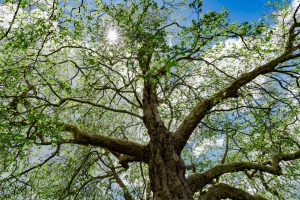
Tree health, pests, and disease
Trees on commercial properties face:
- Soil compaction from vehicles and foot traffic
- Salt damage near roads and parking lots
- Pests and diseases that spread between stressed trees
Certified arborists can:
- Diagnose health issues accurately
- Suggest treatments or cultural changes (mulch, watering practices, soil improvement)
- Decide when a tree can be preserved and when removal is the safer choice
The result is an urban canopy that stays stronger for longer, with fewer emergencies.
Benefit 5 – Clear Planning, Budgeting, and Communication
One of the biggest frustrations for property managers is surprise costs. A storm hits, a branch breaks, tenants complain—and now you are scrambling to find a crew and justify emergency work to ownership.
Seasonal maintenance plans for busy property managers
With certified arborist-led care, you can build a seasonal plan that includes:
- Spring inspections and pruning priorities
- Summer health checks and clearance for sidewalks and parking
- Fall pruning to prepare for snow and ice
- Winter assessments, especially after severe storms
This makes tree care part of your regular budget instead of a string of unexpected invoices.
When to choose pruning, preservation, or removal
A certified arborist gives you clear options:
- When pruning is enough
- When a tree is declining but still safe with monitoring
- When removal and replacement are the best long-term choice
This balance between safety, cost, and tree preservation supports both your tenants and your bottom line.
How Brockley Tree Supports Your Commercial Property
Brockley Tree offers a full range of tree maintenance services in London, Ontario for both residential and commercial clients. You can see the scope of their work—including trimming, removals, stump grinding, and more—on their tree services page:
- tree maintenance services in London, Ontario → https://brockleytree.ca/services/?utm_source=chatgpt.com
If you want to work directly with a certified arborist in London Ontario, you can learn more about their qualifications and approach to tree care on the Arborist Services page:
- certified arborist services in London Ontario → https://brockleytree.ca/arborist/?utm_source=chatgpt.com
By pairing certified arborist expertise with complete commercial tree services, Brockley Tree can:
- Inspect and report on tree risk
- Plan work around your tenants and business hours
- Coordinate multi-site maintenance for property managers
The goal is simple: safer trees, fewer surprises, and a site that reflects well on your business.
When to Call a Certified Arborist London Ontario (Quick Checklist)
Consider calling a certified arborist if you notice any of the following on your commercial property:
- Large dead branches over parking, sidewalks, or entrances
- Trees leaning more than before, especially after storms
- Cracks in the trunk or major limbs
- Fungi or mushrooms growing at the base of the tree
- Roots lifting sidewalks, curbs, or asphalt
- Branches touching roofs, signs, or power lines
- Tenants or customers reporting falling branches or debris
If any of these sound familiar, scheduling an inspection now is often easier—and more cost-effective—than waiting for an emergency.
For general information on why certification matters, the International Society of Arboriculture explains the benefits of hiring a certified arborist and the standards they follow:
- Why hire a certified arborist (ISA) → https://wwv.isa-arbor.com/publicoutreach/whyhirecertifiedarborist/index?utm_source=chatgpt.com wwv.isa-arbor.com+1
Then, when you are ready to act, you can contact a local certified arborist-led company such as Brockley Tree to assess your specific site and needs.
FAQs
- What does a certified arborist do for commercial properties?
A certified arborist inspects trees for safety and health, recommends pruning or removal, and oversees work so it follows industry standards. For commercial properties, they focus on reducing risk around parking lots, sidewalks, and buildings while keeping trees stable and healthy. - How often should a commercial property in London, Ontario have trees inspected?
Most busy commercial sites benefit from at least one full inspection per year, plus follow-up checks after major storms or when tenants notice a change. High-traffic areas or sites with large mature trees may need more frequent visits, especially near power lines or public sidewalks. - Are property owners always liable if a tree branch falls?
Not always. Legal commentary in Canada suggests that owners are more likely to face liability when they ignore clear hazards or fail to maintain obviously unsafe trees. Regular inspections and documented maintenance from a certified arborist can show that you are taking reasonable steps to manage risk. This is general information, not legal advice; always speak with a lawyer about specific situations. - What is the difference between a landscaper and a certified arborist?
Landscapers typically focus on lawns, gardens, and general groundskeeping. Certified arborists specialize in tree biology, structure, and safety and have passed formal exams and ongoing training requirements. They are better equipped for complex pruning, removals, and risk assessments, especially on commercial sites. - 5. Can a certified arborist help with tree by-laws and permits?
Yes. While requirements vary by municipality, certified arborists are familiar with local tree protection rules and can help you understand when a permit is needed, what documentation to provide, and how to plan work so it complies with city guidelines.